The art of dying
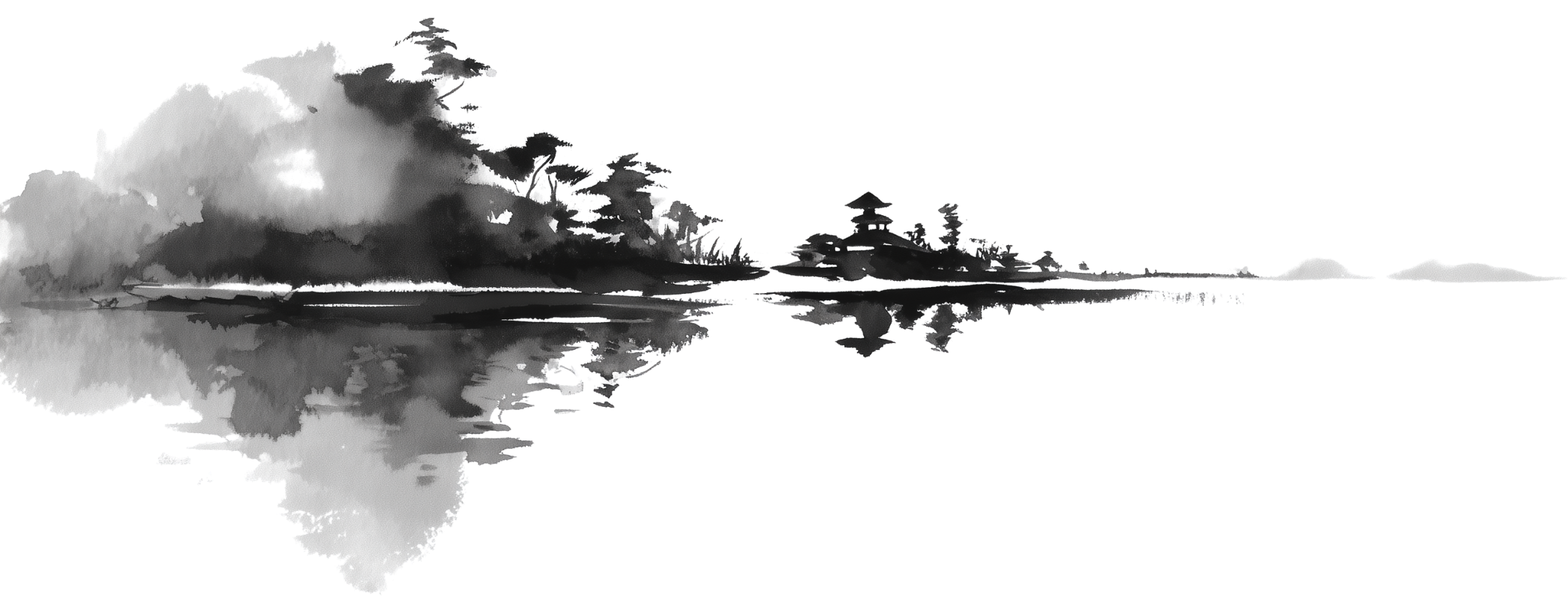
Death is the final mirror.
Tibetan teachings ask: what will death reflect back to you- panic or peace?
The quality of our death is shaped long before the body weakens; every moment of life is rehearsal for death. For when death arrives, it does not ask who you were- it reveals who you are. Preparation ensures that this revelation is met with dignit. Preparation makes surrender possible.
The Tibetan Book of the Living and Dying dismantles the myth that death is chaos. With preparation, death becomes a navigable and meaningful transition. Preparing to die is a discipline of presence—it trains us to remain conscious when everything familiar dissolves. To sit with death before it arrives is an act of radical honesty; nothing cuts through ego faster.
The Tibetan tradition does not teach us how to avoid death, but how to meet it awake. That is the difference between fear and liberation. Preparing for death is an offering to the living: it reduces suffering, brings peace to transitions, and restores reverence to the end of life. When practiced from birth onward, preparation reclaims death from medicalization and stigma, returning it to its rightful place as a sacred human rite.
Those who prepare for death do not cling to life—they love more fiercely because they know everything is temporary. Death is not the unknown; it is the untrained mind that makes it terrifying. Preparation restores trust in the process. Without preparation, death happens to us; with preparation, death is met by us.
Conscious dying is a skill. Like any skill, it requires practice, humility, and devotion. A society that refuses to face death produces fear-driven living—preparation is cultural medicine. In Tibetan wisdom, death is the final spiritual exam, and preparation is how we study. To prepare for death is to unhook from panic and anchor into presence. To face death consciously is to reclaim sovereignty over the final threshold of life.